KHETHA RADIO PROGRAMME RETURNS TO AIR ON 13 SABC RADIO STATIONS

MEDIA STATEMENT

KHETHA RADIO PROGRAMME RETURNS TO AIR ON 13 SABC RADIO STATIONS

Johannesburg – Thursday, 19 February 2026 – The Department of Higher Education and Training and the South African Broadcasting Corporation (SABC) is pleased to announce the return of the Khetha Radio Programme, which will officially be back on air across 13 SABC radio stations from 19 January 2026.

Khetha is the Department of Higher Education and Training’s flagship educational and empowerment programme designed to support young people and communities with critical information on career guidance, education and training pathways, skills development, entrepreneurship, and informed life choices. Since its inception, the programme has played a vital role in helping listeners navigate opportunities that contribute to personal growth and socio-economic development. At the heart of this groundbreaking campaign is expanding access to information, amplifying community voices, and promoting meaningful public participation through radio.

The return of Khetha reaffirms the DHET’s commitment to enabling all citizens to access relevant, lifelong learning opportunities in an inclusive post-school education and training (PSET) system. DHET is pleased to partner with the SABC in this exciting campaign. The SABC’s commitment to its public service mandate of educating, informing, and empowering South Africans through accessible and relevant content broadcast in South Africa’s official multiple languages is exemplary.

Listeners can look forward to engaging discussions, expert advice, inspiring success stories, and practical guidance tailored to the needs of youth and communities across the country. The programme will continue to partner with key stakeholders in education, training, government, and the private sector to ensure accurate, credible, and impactful information.

The Deputy Minister of the Department of Higher Education and Training, Honourable Nomusa Dube-Ncube, will officially launch the Khetha Radio Programme on the 20th February 2026 at the SABC Radio Park in front of presenters, producers and guests of the show.

The Khetha Radio Programme is conceptualised to use the power of radio as an inclusive and accessible platform to engage communities, particularly those in rural and underserved areas. Through dialogue, education, and storytelling, the programme seeks to empower citizens with knowledge, encourage informed decision-making, and strengthen social cohesion.

The DHET and the SABC encourages listeners nationwide to tune in and take part in the conversations that help shape informed choices and brighter futures.

Broadcast details, including station schedules and broadcast times are as follows:

Radio stationDaysTime allocation
Lesedi FMMondays16:15 –16:45
Tru FMMondays18h30-19h00
Ligwalagwala FMMondays19h00-19h30
RSGMondays19:30-19:50
Thobela FMMondays20h00-20h30
Ikwekwezi FMMondays20h30-21h00
Motsweding FMMondays15h30-16h00
X-K FMWednesdays15h30-16h00
Umhlobo WeneneWednesdays20h30-21h00
Lotus FMWednesdays21:15 – 21:45
Phalaphala FMThursdays20h00-20h30
Mughana Lonene FMThursdays21h30-22h00
Ukhozi FmThursdays21h30-22h00

ENDS

Issued By:                         Group Communications

Media Enquiries:            Mmoni Ngubane (Head of Communications)

NgubaneMV@sabc.co.za T. 011 714 3057| C. 073 688 1590

NEW EPIOSDES

IKWEKWEZI FM

LESEDI FM

LIGWALAGWALA FM

LOTUS FM

MOTSWEDING FM

MUNGHANALONENE FM

PHALAPHALA FM

RSG

TRU FM

THOBELA FM

UKHOZI FM

UMHLOBOWENENE FM

XK FM

SABC Education and GEPF launches campaign to empower members and beneficiaries


Campaign live across radio, Omni Platform, and SABC Plus.

The Government Employees Pension Fund (GEPF), in partnership with SABC Education, launched season 6 of the GEPF campaign on 3 November 2025. The campaign aims to help South Africans better understand their pension benefits and make informed financial decisions for their future.

The initiative is part of SABC Education’s ongoing effort to bring relevant, informative, and accessible content to all citizens. Through this partnership, the GEPF hopes to reach more of its members and beneficiaries by using SABC radio and digital platforms to share helpful insights and updates about pension management.

Mack Lewele, a GEPF representative said, “We want people to feel confident and informed about their pension benefits. This campaign is about more than just awareness — it’s about helping our members take control of their financial well-being.”

The GEPF campaign will be available on multiple platforms. Audiences can listen to podcasts and educational segments on Omni Platform, and also access content through the SABC Plus app.

For more information or to listen to the GEPF podcasts, visit www.sabceducation.co.za or download the SABC Plus app.

Enquiries: SABC Education Digital media Team Email: education@sabc.co.za Phone: 011 714 1830

NEW EPISODES

Ikwekwezi FM

Lesedi FM

Ligwalagwala FM

Motsweding FM

Munghana Lonene FM

Phalaphala FM

RSG

Thobela FM

Ukhozi FM

Umhlobowenene FM

Breaking Barriers: Women in Leadership and the Empowerment of Employability in South Africa

As we celebrate Women’s Month in South Africa, it is essential to reflect on the incredible women who have been trailblazers in breaking barriers and attaining leadership positions across various industries. Women have defied societal norms, shattered glass ceilings, and proven time and again that they are a force to be reckoned with. However, despite these achievements, there is still much work to be done, especially in furthering women’s employability and leadership opportunities. This is where business education plays a pivotal role.

The Transformational Power of Tertiary Study

Education has always been a powerful catalyst for change, and tertiary education, in particular, has the potential to transform not only individual lives but entire communities and societies which are for the most part traditionally patriarchal. For women in South Africa, pursuing a business education at a reputable institution can open doors to countless possibilities and pave the way for a more inclusive and prosperous future.

A business school environment offers much more than just academic learning. It is a melting pot of diverse perspectives, ideas, and experiences. By immersing themselves in such an environment, students can develop their skills, expand their networks, and grow as leaders. This exposure to a multitude of viewpoints helps cultivate empathy, emotional intelligence, and adaptability – crucial qualities for successful leaders in the modern world.

Fostering Leadership Potential

Women have consistently demonstrated their ability to lead with empathy, resilience, and a collaborative spirit. Tertiary education institutions must recognise this potential and actively work to foster an environment where these qualities are nurtured in all students.

One of the primary benefits of tertiary study is the development of leadership skills. Business schools must offer a range of programs, workshops, and extracurricular activities that focus on leadership development. These opportunities provide students with the tools they need to navigate complex business landscapes and tackle challenges head-on.

A responsibility lies with all education platforms to encourage women to take on leadership roles within the campus community, providing practical experience and building confidence. By having women at the helm of student organisations, case competitions, and other initiatives, business schools set a strong example for gender equality and inspire future leaders to rise and excel.

Breaking Societal Norms and Encouraging Diversity

Women pursuing careers in traditionally male-dominated fields or climbing the corporate ladder have often faced unique challenges due to entrenched gender biases. Business schools play a critical role in dismantling these stereotypes and fostering an inclusive atmosphere.

Through a commitment to diversity and gender equality, business schools demonstrate their belief in the potential of all students, regardless of their gender. By actively promoting female representation within their faculty and leadership, these institutions not only set an example but also create a supportive environment where women can thrive.

Collaborations with corporations and organisations that prioritise gender diversity empower women to access internships, mentorship programs, and networking opportunities that can significantly boost their employability prospects.

Unleashing the Power of Employability

The value of tertiary study becomes evident when considering the immense impact it has on employability. The business world seeks leaders with advanced skills, critical thinking abilities, and a global perspective. Business schools equip students with precisely these attributes.

Tertiary study at a reputable business school enhances employability in several ways:

  • Skill Development: Business programs provide a comprehensive foundation in essential skills such as problem-solving, communication, and strategic thinking.
  • Networking Opportunities: Business schools offer a vast network of alumni, industry connections, and corporate partnerships that can lead to internships, job opportunities, and mentorship.
  • Experiential Learning: Through internships, consulting projects, and real-world simulations, students gain practical experience that sets them apart in the job market.
  • Confidence and Leadership: Business schools empower students to step into leadership roles, making them more attractive to potential employers seeking dynamic leaders.
  • Global Outlook: In an interconnected world, businesses seek leaders with a global mindset. Business schools often offer international exchange programs and global immersion experiences.

As we celebrate the accomplishments of women in leadership during Women’s Month, we must also acknowledge the work ahead. Empowering women in the business world requires a collective effort from educational institutions, corporations, and society as a whole.

A business education at a reputable school can be a transformative experience for women seeking to break barriers and unleash their leadership potential. By embracing diversity, fostering inclusive environments, and equipping students with the skills needed to excel, business schools play a pivotal role in advancing gender equality and creating a brighter future for all.

For aspiring leaders and change-makers, the value of tertiary study in shaping career trajectories cannot be overstated. So, let us celebrate Women’s Month by recognising the indomitable spirit of women in leadership and reaffirming our commitment to empowering women in the world of business and beyond. Together, we can build a more equitable and prosperous future for South Africa and the world.

For more information about Regent Business School’s offering as a leading private higher education institution, please go to https://regent.ac.za/

Become future ready by joining one of accredited MBAs, postgraduate qualifications, degrees, diplomas, or higher certificates! All 2023 students will receive a free Management Development Programme valued at R7000. T’s & C’s Apply.

This thought leadership piece in a Tweet:

In celebration of Women’s Month @REGENT_BSchool’s Pranisha Salikram shared her thoughts on women breaking barriers in leadership & empowering employability in South Africa with a business education. Read here: {insert bitly link to content} #EducationForImpact #WomenInLeadership #Empowerment #BusinessSchool #Education #Employment

Education ignites entrepreneurship


By PROFESSOR AHMED SHAIKH

MD REGENT BUSINESS SCHOOL 

GLOBALLY the perennial battle to alleviate poverty is an enduring one and in this respect South Africa is no exception. According to Statistics SA almost half of the adult popula¬tion in our country is living below the upper-bound poverty line. While the battle against poverty has been a difficult one, the recent Covid-19 pan¬demic has exacerbated the situation, especially in terms of poverty rates, the economy, health, education and employment prospects.

In addition to the pandemic, the country is also in its worst economic recession in 100 years. South Africa’s unemployment rate rose to 32.6 per¬cent in the first quarter of 2021 from 32.5 percent in the previous period (Trading Economics -2021). Stats SA also confirms the official unemploy¬ment rate among youth (15-34 years) was 46.3% in Quarter 1 2021. Millions are at risk of losing their livelihoods.
The combined effects of the pan¬demic and economic recession may not only present a temporary shock, but have lasting implications for pov¬erty rates in South Africa through its effects on people’s health, edu¬cation, and employment prospects. Actions being taken to combat South African poverty and Covid-19 have proven that, with new options and renewed commitments, there is still much that can be done to alleviate poverty.

Indeed, poverty reduction has become a critical issue for almost all sectors of society. Guided by this new reality, entrepreneurship and innova¬tion, especially through small business development has been touted as a sig¬nificant part of the solution to poverty reduction. It is now an established fact that entrepreneurship and innovation generate the majority of decent and sustainable jobs and contribute sig¬nificantly to economic growth, thus enabling a large portion of the popu¬lation to move out of poverty.

Sadly though, until recently, busi¬ness education has adopted a theoret¬ical and laissez-faire approach to this proposition and has been lackadaisical in its attitude toward making entrepre¬neurship and innovation a catalyst for action. In essence business education has paid lip service to the creation of an empowering and inclusive entre¬preneurial and innovation ecosystem that can genuinely contribute to job creation, economic growth and pov¬erty alleviation.

To be truly authentic and relevant in a world that is riddled with myr¬iad problems and challenges such as poverty and inequality, the purveyors of business education have to forge inclusive strategic partnerships with all stakeholders, especially local com¬munities that host them.

For example, Regent Business School (RBS) besides forging close ties with all its stakeholder commu-nities through its business education, research and outreach programmes has held steadfast to its mission and made considerable investments to create an entrepreneurial and innovation eco¬system to support the many facets of small business development for pov¬erty and unemployment alleviation.
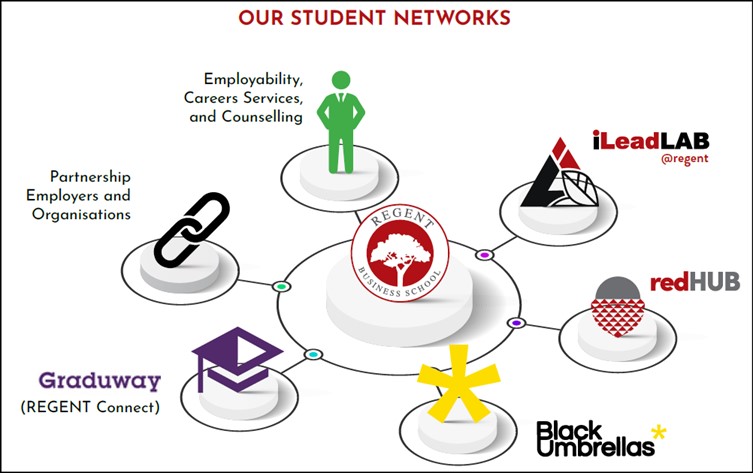
As part of this initiative, RBS has established Regent Enterprise Devel¬opment Hub (redHUB), an accelerator which has leveraged the institution’s iLeadLABs or national technology hubs and harnessed its academic, research and outreach intellectual property to champion entrepreneurial devel¬opment. The redHUB’s mission is to provide impactful education, training and mentorship for aspirant and cre¬ative entrepreneurs by nurturing their disruptive and innovative skills using resilient and anti-fragile strategies.

Professor Shaikh is an academic and researcher and managing director of Regent Business School. He writes in his personal capacity.

Why young South Africans should study a trade

Learning a trade can open many doors for young people and deserves to be higher on the “what do I do after I leave” lists of both parents and learners.

This is the view of Zizile Lushaba, Human Capital & Skills Development Executive at SEIFSA who believes that innovative, self-driven, self-starters, who are technical and enjoy solving problems and working with their hands make good candidates for artisan training, which can include becoming a welder, fitter and turner, boilermaker or pipe fitter.

At a time when the unemployment rate is close to 40% (39.2% in the first quarter of 2023), with the jobless rate among young South Africans as high as 61%, the focus on post-school education and training must be on being employable. Choosing a trade increases young people’s chances of being employed as there is huge demand for more artisans in all sectors of the economy and this is not only true of South Africa.

Degree-based careers may pay better, but you have to be employed before getting paid. South Africa has many unemployed graduates which just goes to show that a degree does not always guarantee a job. Of interest, there are far fewer trained artisans languishing among the unemployed.

The emphasis on practical training makes newly qualified trades people infinitely more employable than university graduates.

“Trades require the following three elements — theory, simulation (practical training) and experiential learning (on-the-job training). Experiential learning allows the learner to be exposed to the workplace sooner than university graduates, which provides the opportunity to learn from professionals who guide and mentor them,” says Lushaba.

The trades also offer learners who may battle to achieve the marks needed to study at university an alternative and sometimes far better option than simply slotting into whatever degree I will be accepted into. 

“University is theory intensive while a trade provides an opportunity for individuals who might not excel as much on theory but would be far better with hands-on, practical exposure and learning. Being employed as an apprentice and/or qualifying as an artisan also provide earlier earnings prospects, which is a big benefit for many South African families,” she says. 

There are many colleges around the country where young people can learn a trade. The SEIFSA Training Centre in Benoni, Gauteng, for example, offers a full range of artisan training — from welders to electricians. It has also kept up to date with the needs of the Fourth Industrial Revolution (4IR). Furthermore, the Centre also offers skills such as robotics and 3D printing to meet industry demands and these skills are taught using e-learning, virtual reality and e-assessments. The Centre can train 250 people per day and offers apprenticeships in 10 trades.

As part of its commitment to empowering young South Africans, SEIFSA took part in Cell C’s recent Youth Day Event. The See Youth focused on ways to empower the country’s youth, including helping them to develop the skills of entrepreneurship among other things.

Many artisans find that their practical skills and experience are perfectly suited to running their own small businesses, as Lushaba says, these skills are useful in “day-to-day life for those who are looking to explore the entrepreneurial route”.

Young people choosing to study a trade will also be helping the South African economy as there is a dire need for more artisans. President Cyril Ramaphosa was clear about this in his State of the Nation Address in February 2023. He said the number of students taking part in artisan training in TVET colleges would be increased from 17,000 to 30,000 in the 2023 academic year. “One of the key ingredients for economic growth and competitiveness is the ability to attract skills which the economy needs,” he said.

Many young people and their parents, worry about how they can increase their chances of finding employment, especially with the unemployment rate being so high. Artisans are always in demand — from the most to the least developed economies — and this is unlikely to change in the near future.

Info box:

How long does it typically take to learn a trade?

  • Minimum three years, maximum four years
  • Six months institutional training for single trades and nine months training for dual trades such as millwright (electrical and mechanical)
  • A minimum of 18 months’ workplace exposure
  • A minimum of six weeks trade test preparation 
  • Two-day trade test for single trades; three days for dual trades

The SEIFSA Training Centre is run in partnership with Thuthukisa, a specialist advisory, consulting, projects management skills programmes delivery company.

The centre has the capacity to train 250 people per day and offers apprenticeships in 10 trades. The training centre is a Department of Higher Education and NAMB-registered Trade Test centre and has trade-tested more than 400 candidates per year, since 2014.

SEIFSA is a national federation representing 18 independent employer associations in the metal and engineering industries, with a combined membership of over 1 200 companies employing over 170 000 employees. The federation was formed in 1943 and its member companies range from giant steel-making corporations to micro-enterprises employing fewer than 50 people.                                      

SEIFSA is a national federation representing 18 independent employer associations in the metal and engineering industries, with a combined membership of over 1 200 companies employing over 170 000 employees. The federation was formed in 1943 and its member companies range from giant steel-making corporations to micro-enterprises employing fewer than 50 people.                                      

For media related queries please email annie@angelfishpr.co.za

Annie Hodes

083 325 4445

annie@angelfishpr.co.za

Facebook & Twitter: @anniehodes

Instagram: @annie_hodes

LANDMARK RESEARCH INFORMS SOUTH AFRICA’S WAY FORWARD IN THE ENERGY REVOLUTION

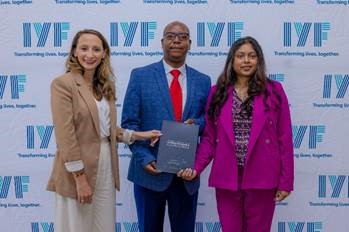
This Wednesday marked a step forward in South Africa’s inevitable energy transition. Insightful research commissioned by IYF and funded by the British High Commission was handed over to the Department of Higher Education in a ceremony hosted by BMW South Africa in Johannesburg. The research assessed South Africa’s current and potential readiness for the Electric Vehicle (EV) transition and the findings of the study will influence future upskilling, upscaling and capacitating in the EV training sector.

Facilitated by Chilu Lemba, the event provided insight from various collaborative entities about the future of EVs in South Africa, and particularly the significance of TVETs in curating new curricula for the inevitable influx of electric vehicles into South Africa.

Speaking to the research, Head Curriculum portfolio for TVET colleges, DHET, Mr Vele posited that “If we are to have qualified EV engineers in the country in the next 5 years, or even the next ten years, we have a limited window of opportunity to ensure that EV courses and practical training is available.”

The IYF, which has been updating existing TVET curricula for the past year through their engineering offshoot, High Gear, mentioned how the research was imperative in understanding the skills gap amongst lecturers in TVETs. The IYF’s Country Director, Arusha Naicker, mentioned that while High Gear’s programmes had been successful in increasing student readiness for industry through practical and digital learning, lecturers were not fully capacitated to facilitate or lead curricula on EV technical procedures and maintenance. The “outdated” curricula is also attributed to the lack of EVs in South Africa currently – however the number of purchased electric vehicles is on the rise and this will inevitably lead to the need for efficiently trained and skilled technicians in the sector.

The research, which was conducted by Ngawethu Consulting, will essentially influence how IYF and DHET plan to move forward with pragmatically and functionally resourcing and capacitating TVET lecturers with the knowledge, curricula and requirements necessary to prepare automotive engineering students for the new world of EVs.

Speakers, which also included Khalil Patel, the Programme Director for High Gear, highlighted the importance of championing critical thinking in TVET courses, and how future EV courses need to have a foundational umbrella understanding of the EV market and Green Supply Chain – and not only be rooted in a practical understanding of EV mechanics.

Singh was incredibly positive about the outcomes of the research, as while they highlighted many hurdles and skills gaps which will need to be addressed in order to move forward in the energy transition, it provided DHET with a useful guideline as to where to place their focus in preparing South Africa for the transition, both timeously and thoughtfully.

Rebecca Tron, Head of Economic Growth, Southern Africa, for the British High Commission Pretoria, commended the IYF’s efforts and DHET’s positive response to the research, noting that South Africa’s commitment to a greener economy was not only beneficial globally, but would also contribute to the country’s intercontinental automotive trading potential, knowledge economy and expanded human capital.

Kyle Dreyer, Sales Manager, BMW, the event host, instilled some interactivity into the event by providing attendees with the opportunity to test drive their hybrid and electric vehicles, offering guests a glimpse into the future of the EV industry.

Ultimately, the research will inform the country’s next steps in a vital component of the global energy transition and influence the success of the Low Emission Development Strategy, which intends to reduce South Africa’s carbon emissions to net zero by 2050. 

END

Healthy early development boosts successful adulting

The importance of healthy development in a child’s early years is seldom disputed – but often the extent of how dramatically it impacts children’s futures is not readily understood. According to Harvard University’s Center on the Developing Child, it goes so far as to state that healthy early development “provides the building blocks for educational achievement, economic productivity, responsible citizenship, lifelong health, strong communities, and successful parenting of the next generation.”[1] In other words, every aspect of an adult’s life.

With this in mind, what then are the key areas that need to be taken into account when considering the healthy development of a child through their foundational schooling years, from Grade R to Grade 3?

In selecting a school for their child, the first steps parents should take is to assess whether their own values are aligned to the values of the school, and whether the school encourages parents to be partners in the team that is helping the child to learn and grow.

It’s also important for all caregivers – parents and educators – to understand that no two children are alike, and that each child is on their own learning journey right through their developmental stages.

Having said that, there are some generalities that can be related to each child’s development that we will explore further.

A child’s mindset relating to values, attitudes, relationships, and behaviours develops in the foundation phase. At this stage, they must be supported to meet the developmental requirements of each grade, including learning to read and write, count and reason. And possibly more importantly, they need to learn to share, take turns, work as a member of a team as well as independently, ask for help when needed, ask and answer questions, understand differences and not just tolerate them, and be prepared to be brave about trying something new without fear of failure.

The foundation phase is also a child’s first introduction to learning phonics and developing good number sense. Here, experience has shown that a multi-sensory approach to teaching these basics will ensure that all children are able to benefit from the learning; that one or other of the activity will resonate with their learning style. Throughout this approach, children are listening and speaking, feeling, building, categorising, comparing, and developing an understanding of what they’re learning. When this is carried through into the home as well through exploration and conversation, the school teaching is supported and enhanced.

As a foundation phase educator and parent of two boys, I have found that children are most engaged when they feel connected to what they are learning. In this way, giving them a voice, including them in the learning process, and making use of project-based learning ensures that they have fun and enjoy the process of learning to investigate, reflect, and collaborate – all of which are valuable life skills.

Taking this development into account, The Ridge School is a boys-only primary school from Grade R to Grade 7 which enables boys to engage actively in a boy-centred environment, while developing their academic skills alongside their ‘soft’ skills (people and communication skills, character, attitudes). At The Ridge School, we encourage parents to consider a boys-only school for their sons because boys and girls tend to mature at different rates. This means that the boys can be themselves with less concern about judgement, the teacher can manage the classroom environment that best serves boys’ needs, and the boys learn to be more confident. In this way, a sense of ‘brotherhood’ grows which creates a sense of belonging and connections that often last a lifetime.

Regardless of which school parents choose to send their child to, a key factor to remember  is that the early years of a child’s development are critical to their future success. There is much that can be done both in the school and home environments that can contribute positively to this journey.

For more information about The Ridge School, visit www.ridgeschool.co.za

ENDS


[1] https://developingchild.harvard.edu/resources/three-core-concepts-in-early-development/

Business school shows competitive edge in alumni employability

In a job market that is challenging, business school be committed to providing an innovative and integrated approach to higher education that prepares graduates to succeed in the 21st-century workplace. With a student population composed primarily of mature working adults, Regent Business School (RBS) offers a range of initiatives and resources designed to ensure success and increase employability.

Stats and students that speak for themselves

In a recent employability report released by RBS, 80% of their students reported being satisfied with the institution, and 93% agreed that the education received at RBS met and exceeded their job requirements. Furthermore, 87% of their alumni were employed at the time of the survey, with many in top management roles such as Managing Directors, CEOs, and Directors of blue-chip companies. These statistics demonstrate the effectiveness of a 4IR approach to higher education in preparing graduates for positive outcomes.

Alumnus Reece Oakes, CEO at Rennie’s BCD Travel had this to say after completing a Master of Business Administration: “I commenced my MBA whilst in the role of Head of Front-End Services at African Bank. The MBA through Regent was key in opening career doors and is a force to be reckoned with. I was blessed to be offered the opportunity to commence the Regent DBA with the first group intake at the start of 2021.”

Margaret Hirsch, COO of Hirsch’s completed a Master of Business Administration later on in her career: “It’s quite intimidating when you haven’t studied for a long time, but I must say that Regent Business School made me feel comfortable and were on-hand to be able to help me with any questions I had. I appreciated the lessons which took place on weekends which meant they did not interfere with my work schedule.”

Education that is 4IR driven

Top business schools should place a strong emphasis on developing employability skills in its students. Skills such as communication, problem-solving, teamwork, and time management give graduates an edge in a competitive and complex job market. Employers are increasingly seeking candidates with these 21st-century skills, which are an integral part of Regent Business School’s online curriculum and academic integration programme. This programme allows for the creation of partnerships with employers and industry leaders, providing practical experience and professional networks for students.

Dr. Ahmed Shaikh, Managing Director of Regent Business School, emphasises the importance of disrupting, rethinking, and innovating to ensure that alumni have the edge when it comes to employability. “We are committed to preparing agile leaders with an entrepreneurial mindset,” says Dr. Shaikh. “Our innovative approach to higher education focuses on developing employability skills and creating partnerships with employers and industry leaders. This ensures that our graduates are well-equipped to succeed in the 21st-century job market.”

A forward-thinking and comprehensive approach to higher education ensures effects employability in a meaningful way which should encompass:

  1. Flexible and accessible distance learning
  2. Transversal skills training for mature working adults
  3. 21st Century skills training for the modern workplace
  4. Dedicated and personalised career support
  5. CV review, academic counselling, career guidance, mentoring, and a job portal

Resources that stand out

Regent Connect is a valuable platform exclusively for RBS alumni that provides access to a wide range of resources and opportunities to help advance their careers. With approximately 11 000 alumni active on the platform, Regent Connect offers a wealth of information, including job postings, career advice, and tips on how to improve resumes and interview skills. This platform provides a distinct advantage when searching for employment and navigating the corporate world. By leveraging the knowledge and experiences of fellow alumni, Regent Connect creates a supportive community that fosters growth and professional development allowing alumni to stay connected and excel in their careers.

To further support student success, Regent Business School has collaborated with over 50 diverse employers and industries. These collaborations enable students to gain practical experience and build professional networks, enhancing their employability and career prospects. The emphasis on innovation and entrepreneurship also prepares students to become agile 4IR leaders and entrepreneurs through reskilling and upskilling.

An on-going commitment to student success and employability is reflected in the opening of a dedicated career centre which can be utilised by RBS students and non-students alike. This initiative results from Regent Business School’s association with the Honoris United Universities and will provide access to career development resources and support, further enhancing their employability and career prospects.

This integrated approach to higher education, with a strong emphasis on developing employability skills and creating partnerships with employers and industry leaders, ensures that all graduates are well-equipped to succeed in the 21st-century job market. With a focus on innovation and entrepreneurship, Regent Business School prepares agile 4IR leaders with an entrepreneurial mindset, giving them the edge when it comes to employability.Become future ready by joining one of accredited MBAs, postgraduate qualifications, degrees, diplomas, or higher certificates! All 2023 students will receive a free Management Development Programme valued at R7000. T’s & C’s Apply.

Bambanani – creating a better future for children through education

Afrika Tikkun Bambanani is the coming together of Afrika Tikkun and Bambanani Sifunde to form a group of ECD Specialists who implement a standardised ECD curriculum in rural underprivileged schools.

Johannesburg, Thursday 20 April 2023 – At the launch of the BambaLearn App by Afrika Tikkun Bambanani (ATB)last night, expert insights were shared around the upskilling and training of teachers required to assess and monitor learner development. Simultaneously the programme is designed to facilitate teacher progression equipping them to screen for learning difficulties and arrange intervention, provide psychosocial support and monitor child growth and progress. The BambaLearn App aims to extend children on the curriculum ensuring that no child is left behind.

“The period from birth to six years old is the most vital stage of brain development for children and these informative years represent a crucial window of opportunity for education. The ATB programme is developed to ensure early childhood care and education that is truly inclusive. It is much more than just preparation for Grade 1, ECD is the foundation for emotional wellbeing and learning throughout life; and is one of the best investments a country can make as it promotes holistic development, gender equality and social cohesion,” shared the passionate ATB programme CEO, Theresa Michael.

Afrika Tikkun Bambanani’s Mission & Vision

To reach as many children as possible aged birth to six years of age across all rural and underprivileged communities of SA and to provide play-based learning through trained ECD teachers who will build a solid foundation for their education and overall wellbeing. The long-term vision is to standardise the ECD curriculum throughout SA to ensure that no child is left behind in terms of education which will lead to equal opportunity for all children in SA.

Afrika Tikkun Bambanani’s Impact

Currently 800 upskilled practitioners working in 200 Early Learning Centres in disadvantaged communities and underprivileged rural areas are providing a solid foundation for 10 000 children through this initiative.

ATB aims to provide a safe, nurturing and stimulating environment for South African children and invest in their education by providing them with the tools they need to succeed. Early childhood education has a positive impact on our society as a whole; helping reduce poverty, promote economic growth, and decrease the likelihood of negative social outcomes such as crime and substance abuse.

What does Afrika Tikkun Bambanani offer?

  • ECD Curriculum age 0-6 years
  • Teacher training
  • Resource kits
  • Data-free online assessment centre to monitor student and teacher progression
  • Data-free online screening tool assessment for children
  • In-class teacher training and mentorship
  • The BambaLearn App for children from 2-6 years old

How does Afrika Tikkun Bambanani work?

The three-year ECD programme is presented as a customised ATB package to suit the needs of each centre/community. It includes a five-day teacher pre-training programme, monthly up-skill teacher training, online curriculum, printed manuals and workbooks, online assessment centre and in-class mentorship.

Registered as part of the Afrika Tikkun brand, the ATB training, assessment and curriculum programme has brought together a team of ECD practitioners, theorists, educators, investors and therapists to create the best ECD curriculum available in South Africa and make it available to ECD practitioners and children living in under-resourced communities around South Africa. The programme readily collaborates with government and private sectors.

Early Childhood Development (ECD) is the period spanning from birth until the year before a child enters formal schooling. Research shows that children who do not have access to adequate ECD are more likely to struggle academically and have lower earning potential as adults, and they are also more likely to engage in risky behaviours, such as substance abuse or criminal activity. Furthermore, the effects of inadequate ECD can have an intergenerational impact on children, in that they are likely to struggle as parents themselves, trapped in a perpetuated cycle of poverty.

Sadly, the highest failure rate in South African schools occurs in Grade 1. Investing in ECD can lead to better school readiness, improved academic achievement, higher earning potential, and better health outcomes in adulthood. Additionally, a nurturing and supportive early childhood environment can promote positive social-emotional skills and behaviours, which can lead to stronger relationships and increased well-being throughout life.

We can change the trajectory of many young children currently at risk if we equip ECD practitioners with the skills needed to deliver quality early learning programmes that meet children’s developmental needs.

Many ECD centres in under-resourced communities are not able to employ qualified practitioners, and although a lot of their staff do have years of working experience, they do not have the formal training to design outcomes-based programmes. To support these centres, we have developed an innovative and comprehensive ECD curriculum that is designed to meet the developmental needs of children aged one to six years, which can be implemented by ECD practitioners who have little or no formal ECD training.

The key activities to support participating ECD centres to implement a quality ECD programme include:

  • Developing an outcomes-based ECD curriculum that provides the framework for children aged one to six years to meet their developmental milestones and equip them with the skills needed for future academic success.
  • Providing the ATB curriculum to participating centres in the form of printed manuals, workbooks, theme posters and assessment portfolio files. An online version of the curriculum is also available.
  • Offering off-site training to ECD practitioners and principals up-skilling them to implement the ATB curriculum, as well as outcomes and teaching methods.
  • Providing in-classroom training and mentoring for the first three years of implementation.
  • Monitoring and assessing practitioner progress through online teacher progression assessments and monthly tasks they are required to upload. Any gaps identified will be addressed by our trainers through offering additional training sessions, as well as on-site implementation support.
  • Using tracking sheets to assess the termly progress of all children aged one to six years who are in the programme.
  • Providing the schools with screening assessments tools for children aged six months to six years.
  • Providing ongoing support through site visits from year 1, and into year 3.

These activities are supported by two innovative technologies, thereby removing geographical limitations as any ECD centre with internet can access the programme.

1.           Learner Tablet App – BambaLearn (Data Free)

BambaLearn is an app that allows young children to develop their critical thinking and to reach their milestones through play. Created by experts, designed for (and loved by) children ages 2-6 years, this app ensures that age-appropriate milestones are reached through rigorous performance monitoring through games. These include a wide variety of educational puzzles, story books, numeracy activities, problem solving games, literacy, shapes, tracing, counting, letter and number recognition. This app ensures that no child is left behind by enabling stronger learners to work ahead and providing extra revision and repetition for weaker learners.

2.           Afrika Tikkun Bambanani Assessment Centre (Data Free)

The goal is to improve and standardise the ECD content in our nation’s ECD centres, empowering practitioners to spend more time with the children. The ATB assessment centre ensures that no child or teacher is left behind. ATB provides tracking sheets and termly reports to monitor learner progression, focusing on critical developmental milestones, screening tools to red-flag learners that require intervention, and practitioner tracking and evaluating.

A state-of-the-art remote upload portal allows us to assist and observe our learners and teachers, especially schools in remote areas. ATB’s online trainers assess and report on all activities and video tasks assigned to the practitioner for the week.

The potential of millions of young children is lost due to our inability to provide families living in marginalised communities access to quality early childhood education programmes. ATB’s vision is to uplift the lives of our children and improve the quality of ECD teaching in South African to reach remote and disadvantaged communities and ECD centres with the knowledge and resources needed to implement an effective ECD curriculum, changing the trajectory of thousands of young beneficiaries of this programme.

What makes Afrika Tikkun Bambanani different is their approach to sustainability. The Sustainable Development Goals (SDGs) and Environmental, Social, and Governance (ESG) goals aim to promote sustainable and responsible practices, with the SDGs addressing a wider range of development issues on a global scale, and ESG goals focusing on the environmental, social, and governance factors of companies and organizations. The underlying value of the ATB programme is to “leave no child behind”, and in so doing supports several SDGs, including:

  • SDG 1 (No Poverty): Effective ECD programmes can break the cycle of poverty by improving children’s development, health, and learning outcomes, which ultimately leads to better employment opportunities and higher incomes in adulthood.
  • SDG 4 (Quality Education): This ECD programme has been designed to prepare children for school and lifelong learning by providing high-quality early learning experiences, such as language and literacy development, social-emotional skills, and critical thinking.
  • SDG 5 (Gender Equality): As inclusivity is one of ATB’s priorities, the programme aims to address gender inequality by providing equal opportunities for boys and girls to learn and develop, addressing gender stereotypes, and empowering parents to support their children’s education.
  • SDG 10 (Reduced Inequalities): This programme can be adapted to include all children, including those living with disabilities, and has been designed to be relevant to all children, including those from poor households, in the spirit of “leave no child behind”.

ATB are looking at how to link their centres to their health and psychosocial programme, which focuses on nutrition, psychosocial intervention, eye screening and audio screening, Once this is included, ATB will also be supporting SDG 3 (Good Health and Wellbeing).

Afrika Tikkun Bambabani Curriculum Overview:

Play-Based Learning

A play-based programme which nurtures vital life skills including social, emotional and cognitive development. This enhances the whole child by providing the self-confidence required to explore new environments and experiences.

Broad-Based Curriculum

A curriculum based on an eclectic education system which combines knowledge from multiple disciplines and educational theorists that is developmentally appropriate. The approach encourages children to think independently, with the emphasis on teaching a child how to think, rather than what not to think.

Child-Centred Approach

The approach is child-centred, ensuring children play an active role in the classroom. Children are encouraged to share their thoughts and ideas, enabling them to learn from each other.

Measurable Results

The assessment model monitors key learning areas like cognitive, physical, and social-emotional development. These skills are continuously assessed through ATB’s tracking sheets and screening tools.

Unfortunately, many children in rural communities lack access to the resources they need to succeed academically. That’s why ATB is reaching out to corporations and individuals to join them in their mission to close the education gap.

Through sponsorships, it becomes possible to work together to provide early learning centres with the resources, curriculum, and training necessary to give children the best possible start in life. This ‘Adopt-an-Early Learning Centre’ will make a meaningful difference in the lives of countless children and help create a brighter future for all.

Corporations and individuals are invited to join ATB in this effort by adopting a learning centre enabling ATB to ensure that children have access to the education they deserve. Together, we can make a positive impact on the lives of children and help build a more equitable society.

For more information about Afrika Tikkun Bambanani or to find out how you can donate to the programme, please visit https://afrikatikkunbambanani.org/


People and communities at the heart of Empact Group’s CSI initiatives

Empact Group’s Corporate Social Investment strategy determines to articulate the Group’s commitment in making people and communities part of its bottom-line.

In accordance with the group’s CSI policy, Empact recognises donations and sponsorships as an expression of their corporate social responsibility towards the environment and the communities in which the business operates. The charitable objectives support the group’s CSI and sustainable development strategies that focus on:

•             Environmental practises

•             People development

•             Community engagement

“It is the cumulative transformation of the hearts of our people and the burning desire to make the world a better place for everyone that fuels our beneficiary development initiatives. As a business that is wholly owned by Thebe Investment Corporation, we are proud to leverage off of Thebe’s legacy as a pioneering black-owned company in becoming an engine of the community.” explains Empact Group CEO, Alan Quinn.

Therefore, Empact’s partnership with Thebe is the cornerstone of their collaborative effort in making donations to charitable organisations which share their vision, mission and most importantly, values. Continuing this ethos, the composition of the company’s CSI commitments aligns to assist and catalyse the strategic interventions that address the relevant socio-economic challenges of the communities Empact operates within. Their level 1 BBBEE scorecard echoes the resonant duty of the business in making an impact towards an inclusive, transformative, and sustainable South Africa.

Together with the Thebe Foundation’s charity network Empact Group has journeyed together with three non-profits whose social contributions towards communal and individual welfare within their respective communities resonate with the country’s most urgent social issues. The contributions and social interventions of these non-profits align with Empact’s own business ethos of caring for their people as a responsible, purpose- and service-led business.

Maths Centre

“Education is the most powerful weapon which you can use to change the world.” – Nelson Mandela

Nelson Mandela, South Africa’s beloved statesman, believed that education was one of the most effective means of transforming the world. With this in mind, the purpose of Nelson Mandela Day is to inspire the youth and the next generation of leaders to take on the responsibility of leadership in addressing the social injustices prevalent in our communities.

The Maths Centre is committed to highlighting the importance of mathematics, science, technology, and entrepreneurship in education. It is crucial to establish that mathematics and science should spearhead the most advanced, up-to-date, and most relevant development of disadvantaged children ensuring a level playing field within maths and science related fields and disciplines. The Maths Centre further develops their competency and performance in these curriculums from Grades R to 12 in South Africa.

Empact Group believes in the strategic investments in the future leaders of communities and identified Maths Centre as a relevant partner. Through our involvement and investment, Empact recognise the pivotal consequence education has on our communities and ultimately the economy.

Tears Foundation

Founded in 2012, Tears Foundation is a non-profit and public benefit organisation that uses technology innovatively in the scourge against domestic violence, sexual assault, and child abuse. Among the future plans of the Tears Foundation, is a focus on strategic primary prevention interventions to curb GBV. These include community and school education programmes that seek to create gender-equitable environments and address the issues of GBV amongst young people and eliminating the disrespectful portrayal of women.

On Women’s Day in 2022 Empact Group partnered with the Tears Foundation to become a business that is better positioned in assisting the non-profit in providing access to crisis intervention, advocacy, counselling, and prevention education services for those impacted by domestic violence and other forms of GBV.

Responsible corporate practice underpins Empact’s model to be a socially accountable organisation when it comes to citizenry. Understanding the social plights of our communities, is one of the pillars of the group’s CSI Strategy.

LIV Village

The healthy development of children is crucial to the future well-being of any society. LIV Village provides residential care for orphaned and vulnerable children placing them in a family environment with a trained foster mother to love and care for them.

Empact Group’s CSI strategy is committed to underpinning the LIV Village’s efforts to support the millions of orphaned and vulnerable children in South Africa through the network of LIV Villages located in various parts of the country.

This partnership with the LIV Village has enabled Empact to make meaningful monetary contributions and donations annually towards the urgent social needs of housing children who need homes.

The collective impact of Empact Group as a business reinforces the company’s CSI framework and commitment towards achieving sustainable developmental objectives. Communities are the cornerstone of our business and people are at the heart of what Empact Group does.