Government Employees Pension Fund

Are you a government pension fund holder? Or a beneficiary? If so, the (@GEPF_SA or Government Employee Pension Fund) and @SABCEducation invite you to listen, in the language of your choice, to the latest episode of the new weekly GEPF podcast that will inform and educate you about your pension and its benefits.

This will be a weekly podcast on 10 SABC Radio Stations:

Ikhwekhwezi FM, Ligwalagwala FM, Lesedi FM, Motsweding FM, Munghana Lonene FM, Phalaphala FM, Radio Sonder Grense (RSG FM), Thobela FM, Umhlobo Wenene FM, Ukhozi FM

Contact the GEPF here:

Website:    www.gepf.co.za

Facebook: Government Employees Pension Fund

X/Twitter:  @GEPF_SA

The Houghton Hotel and Afrika Tikkun empower youth through YES Hospitality Programme

The Houghton Hotel, a 5-star urban resort in Johannesburg renowned for its commitment to excellence in hospitality, proudly continues its ongoing partnership with Afrika Tikkun to offer the Youth Employment Services (YES) Hospitality programme. Since its inception in 2019, the initiative has provided invaluable opportunities for 88 young individuals to gain hands-on experience in the hospitality industry, fostering growth, and creating pathways to sustainable employment.

The YES Hospitality programme is a collaborative effort between The Houghton Hotel and Afrika Tikkun, a prominent non-profit organisation dedicated to empowering youth in underprivileged communities across South Africa. The programme aims to equip young individuals through industry specific specialised training with practical skills and knowledge essential for a successful career in the dynamic world of hospitality.

“Our commitment to this work readiness programme in collaboration with Afrika Tikkun, seeks to dispel any apprehension and nurture self-assurance among the 21-35-year-olds in our community. The effects of our efforts transcend the boundaries of both workplaces and homes, as we establish foundational support systems that bolster confidence, promote social betterment, offer learnerships, and provide introductory work exposure. These initiatives serve as the keys that unlock the path to an autonomous and economically empowered life,” commented Jaco Minnaar, CEO of The Houghton Hotel.

Phatudi Motaung, HR Manager at The Houghton Hotel commented on the life-changing experience the programme offers. “The YES Hospitality programme is a great opportunity to acquire new skills and develop a career path that the successful candidates wouldn’t otherwise have been able to. Since its inception, the YES Hospitality programme has welcomed around 88 students, providing them with the chance to receive comprehensive training within the hospitality industry.”

Each year, 20 carefully selected students are given the unique opportunity to spend 12 months at The Houghton Hotel, where they undergo immersive training across various departments, including front office, spa, finance/procurement, F&B, maintenance, and HR admin. The rotational approach enables students to gain a holistic understanding of the different facets of the hospitality business.

Motaung further explained, “The programme at The Houghton Hotel is an enriching journey for participants. The exposure and training they receive within the diverse departments not only enhance their skills but also provide them with a strong foundation for a successful career in hospitality.”

The Sweet Taste of Success Stories

The YES Hospitality programme’s commitment to youth empowerment extends beyond the confines of The Houghton Hotel. Mukundi Mphohoni, a standout participant of the programme, is a prime example. After completing the YES programme and gaining invaluable insights from placements in the finance and procurement departments, Mukundi founded Sweet Remedies. Her innovative business, established in July 2021, specialises in supplying sweets for hotels (including The Houghton Hotel where her business is based), parties, events, gifting, and personal enjoyment. Mukundi’s journey exemplifies the transformative impact of the YES Hospitality programme on young entrepreneurs.

Mukundi shared her success story, stating, “My business, Sweet Remedies, was established in July 2021 and has been operating for the past two years and counting. The YES programme played a crucial role in refining my business acumen and skills, enabling me to run my business both within and beyond the hotel sector.”

The Houghton Hotel and Afrika Tikkun remain steadfast in their commitment to nurturing young talent and facilitating lasting change within the hospitality sector and beyond. As part of the programme’s application process, aspiring candidates can apply through the Afrika Tikkun website or visit Afrika Tikkun Centres in Alexandra, Orange Farm, Braamfontein, Diepsloot, and Mfuleni for inquiries and applications.

Scaling New Heights: Manaslu 8136m Expedition Transforming Lives of South African Youth

Embarking on a remarkable endeavour, Angela Yeung, the visionary founder of the Impilo Collection Foundation and the ambassador of brand South Africa – play your part, is gearing up for an extraordinary climb up the daunting Manaslu, standing tall at 8,136 meters. This challenge surpasses her previous triumph on the Island Peak at 6,200 meters last year.

Manaslu, dubbed the “mountain of the spirit,” graces the ranks as the eighth-highest peak globally, nestled within Nepal’s majestic Himalayas. The mountain’s name is rooted in the Sanskrit term “manasa,” signifying “intellect” or “soul.”

The driving force behind Angela’s ascent is a compelling mission – to spotlight and combat the harrowing issue of gender-based violence (GBV). Angela’s daring expedition aims to channel funds towards an educational sanctuary that will empower and uplift young women who have faced the brunt of GBV.

“Angela declares, “We face a mountain to climb, one that symbolizes the path to women’s empowerment through education. This journey is the stepping stone to independence and self-reliance.”

Partnering with The Sherpa Legends, including the illustrious Mingma Chhiri Sherpa, who has conquered Everest six times and Manaslu thrice, Angela seeks to leverage her climb’s impact and inspire change.

Impilo Collection Foundation has already demonstrated its prowess in addressing GBV through its #EmpowerHer campaign, a testament to its dedication. The campaign’s impactful display of 6,200 bras at Johannesburg’s Constitution Hill and subsequent distribution to GBV shelters during International Women’s Month 2022 has left a lasting impact.

Intriguingly, the collection of 8,848 bras – representing the height of Mount Everest – is a novel pursuit of social warriors who stand resolute against GBV.

Angela’s philanthropic accomplishments are noteworthy, with this marking her fourth fundraising climb. Her vision transcends personal achievements, aiming to establish an annual drive for essentials like bras and sanitary pads. Collaborating with fellow mountaineers, Angela endeavors to cast awareness amidst the clouds.

The ascent is scheduled from September 1st to October 5th, held in collaboration with esteemed international brands such as Cathay Pacific, GoPro, Sisley Paris, and Zara Wellness. A thrilling revelation is Angela’s plan to carry their logos and the South African flag to the summit of Manaslu, elevating them beyond the reach of ordinary planes.

Most notably, Angela’s determination and courage could lead to a historic achievement. Should Angela summit at the highest point on Manaslu, she will become the first woman from South Africa to achieve this feat. In recent times, many climbers have chosen to ascend only after the confirmation of the summit by the renowned Mingma G.

Angela’s unwavering dedication is evident, having invested 630 hours in rigorous training and traversed a staggering 540 kilometres in preparation for the climb. While Angela has already injected substantial funding, the centre’s construction necessitates further contributions.

Angela emphasizes, “Our quest for an anti-GBV education centre demands the collective efforts of supporters, followers, climbers, and allies. Together, we will make this vision a reality.”

Generous benefactors will be commemorated with a keepsake symbolizing the metaphorical mountains scaled together.

Donations can be made at https://www.givengain.com/ap/angela-yeung-raising-funds-for-impilo-collection-foundation-63526/#updates towards the anti-GBV education centre and bras can be dropped off at one of the collection points.  Please visit https://impilofoundation.org/ for further information.

SABC EDUCATION AND LIVING LAND PARTNER IN THE CRITICAL GROUNDWATER MANAGEMENT WEBINAR

The South African Broadcasting Corporation (SABC)’s Education Division and its popular television show Living Land will co-host an important groundwater management webinar in collaboration with the SADC Groundwater Management Institute on 31 August 2023.

The two-hour webinar is inspired by the World Water Week Theme: Seeds of Change: Innovative Solutions for a Water-Wise World and will unpack key messages and resolutions of the World Water Week and how we can apply those messages in the Southern African context.

Groundwater is a vital input for agricultural production and plays a central role in food security. This water source is used for over 40 percent of global irrigation on almost 40 percent of all irrigated land and has become indispensable for agriculture production.

Groundwater management aims to control the use and quality of groundwater, and to address the effects on ecosystems, surface water, land subsidence and more. Perhaps one of the most critical components of groundwater management is the control of the location and quantity of water withdrawals from aquifers.

According to Living Land executive producer Nozipho Ndiweni, collaboration with organisations like the SADC Groundwater Management Institute on critical issues like groundwater management is essential to create awareness among key stakeholders. “By pooling resources with worthy development and transformational initiatives we can deliver more value to such important causes. SABC Education and Living Land are committed to playing a leading role in informing and uplifting farmers especially in our country’s rural areas,” she explained.

Currently in production for its thirteenth series, Living Land traditionally features all things agricultural in Southern Africa, with special focus on smallholders and emerging farmers, as well as rural development throughout the region.

“For more than a decade SABC Education and Living Land have made an invaluable contribution towards inspiring black farmers to return to the land and to create wealth for our rural communities by applying proven modern agricultural techniques. Collaborations like these will ensure that stakeholders are empowered to build more cohesive communities that are able to tackle the triple threat of poverty, unemployment, and inequality,” Ndiweni added.

The Groundwater Management Webinar will take place on Thursday, 31 August 2023 from 14:00 to 16:00. The link to register to join the Webinar is: https://us06web.zoom.us/webinar/register/WN_FEx_Z61sTam2wEN0XbdOWQ

For media enquiries:

Caroline Phalakatshela

Publicity Specialist – Video Entertainment 072 382 2032/ phalakatshelamc@sabc.co.za

Breaking Barriers: Women in Leadership and the Empowerment of Employability in South Africa

As we celebrate Women’s Month in South Africa, it is essential to reflect on the incredible women who have been trailblazers in breaking barriers and attaining leadership positions across various industries. Women have defied societal norms, shattered glass ceilings, and proven time and again that they are a force to be reckoned with. However, despite these achievements, there is still much work to be done, especially in furthering women’s employability and leadership opportunities. This is where business education plays a pivotal role.

The Transformational Power of Tertiary Study

Education has always been a powerful catalyst for change, and tertiary education, in particular, has the potential to transform not only individual lives but entire communities and societies which are for the most part traditionally patriarchal. For women in South Africa, pursuing a business education at a reputable institution can open doors to countless possibilities and pave the way for a more inclusive and prosperous future.

A business school environment offers much more than just academic learning. It is a melting pot of diverse perspectives, ideas, and experiences. By immersing themselves in such an environment, students can develop their skills, expand their networks, and grow as leaders. This exposure to a multitude of viewpoints helps cultivate empathy, emotional intelligence, and adaptability – crucial qualities for successful leaders in the modern world.

Fostering Leadership Potential

Women have consistently demonstrated their ability to lead with empathy, resilience, and a collaborative spirit. Tertiary education institutions must recognise this potential and actively work to foster an environment where these qualities are nurtured in all students.

One of the primary benefits of tertiary study is the development of leadership skills. Business schools must offer a range of programs, workshops, and extracurricular activities that focus on leadership development. These opportunities provide students with the tools they need to navigate complex business landscapes and tackle challenges head-on.

A responsibility lies with all education platforms to encourage women to take on leadership roles within the campus community, providing practical experience and building confidence. By having women at the helm of student organisations, case competitions, and other initiatives, business schools set a strong example for gender equality and inspire future leaders to rise and excel.

Breaking Societal Norms and Encouraging Diversity

Women pursuing careers in traditionally male-dominated fields or climbing the corporate ladder have often faced unique challenges due to entrenched gender biases. Business schools play a critical role in dismantling these stereotypes and fostering an inclusive atmosphere.

Through a commitment to diversity and gender equality, business schools demonstrate their belief in the potential of all students, regardless of their gender. By actively promoting female representation within their faculty and leadership, these institutions not only set an example but also create a supportive environment where women can thrive.

Collaborations with corporations and organisations that prioritise gender diversity empower women to access internships, mentorship programs, and networking opportunities that can significantly boost their employability prospects.

Unleashing the Power of Employability

The value of tertiary study becomes evident when considering the immense impact it has on employability. The business world seeks leaders with advanced skills, critical thinking abilities, and a global perspective. Business schools equip students with precisely these attributes.

Tertiary study at a reputable business school enhances employability in several ways:

  • Skill Development: Business programs provide a comprehensive foundation in essential skills such as problem-solving, communication, and strategic thinking.
  • Networking Opportunities: Business schools offer a vast network of alumni, industry connections, and corporate partnerships that can lead to internships, job opportunities, and mentorship.
  • Experiential Learning: Through internships, consulting projects, and real-world simulations, students gain practical experience that sets them apart in the job market.
  • Confidence and Leadership: Business schools empower students to step into leadership roles, making them more attractive to potential employers seeking dynamic leaders.
  • Global Outlook: In an interconnected world, businesses seek leaders with a global mindset. Business schools often offer international exchange programs and global immersion experiences.

As we celebrate the accomplishments of women in leadership during Women’s Month, we must also acknowledge the work ahead. Empowering women in the business world requires a collective effort from educational institutions, corporations, and society as a whole.

A business education at a reputable school can be a transformative experience for women seeking to break barriers and unleash their leadership potential. By embracing diversity, fostering inclusive environments, and equipping students with the skills needed to excel, business schools play a pivotal role in advancing gender equality and creating a brighter future for all.

For aspiring leaders and change-makers, the value of tertiary study in shaping career trajectories cannot be overstated. So, let us celebrate Women’s Month by recognising the indomitable spirit of women in leadership and reaffirming our commitment to empowering women in the world of business and beyond. Together, we can build a more equitable and prosperous future for South Africa and the world.

For more information about Regent Business School’s offering as a leading private higher education institution, please go to https://regent.ac.za/

Become future ready by joining one of accredited MBAs, postgraduate qualifications, degrees, diplomas, or higher certificates! All 2023 students will receive a free Management Development Programme valued at R7000. T’s & C’s Apply.

This thought leadership piece in a Tweet:

In celebration of Women’s Month @REGENT_BSchool’s Pranisha Salikram shared her thoughts on women breaking barriers in leadership & empowering employability in South Africa with a business education. Read here: {insert bitly link to content} #EducationForImpact #WomenInLeadership #Empowerment #BusinessSchool #Education #Employment


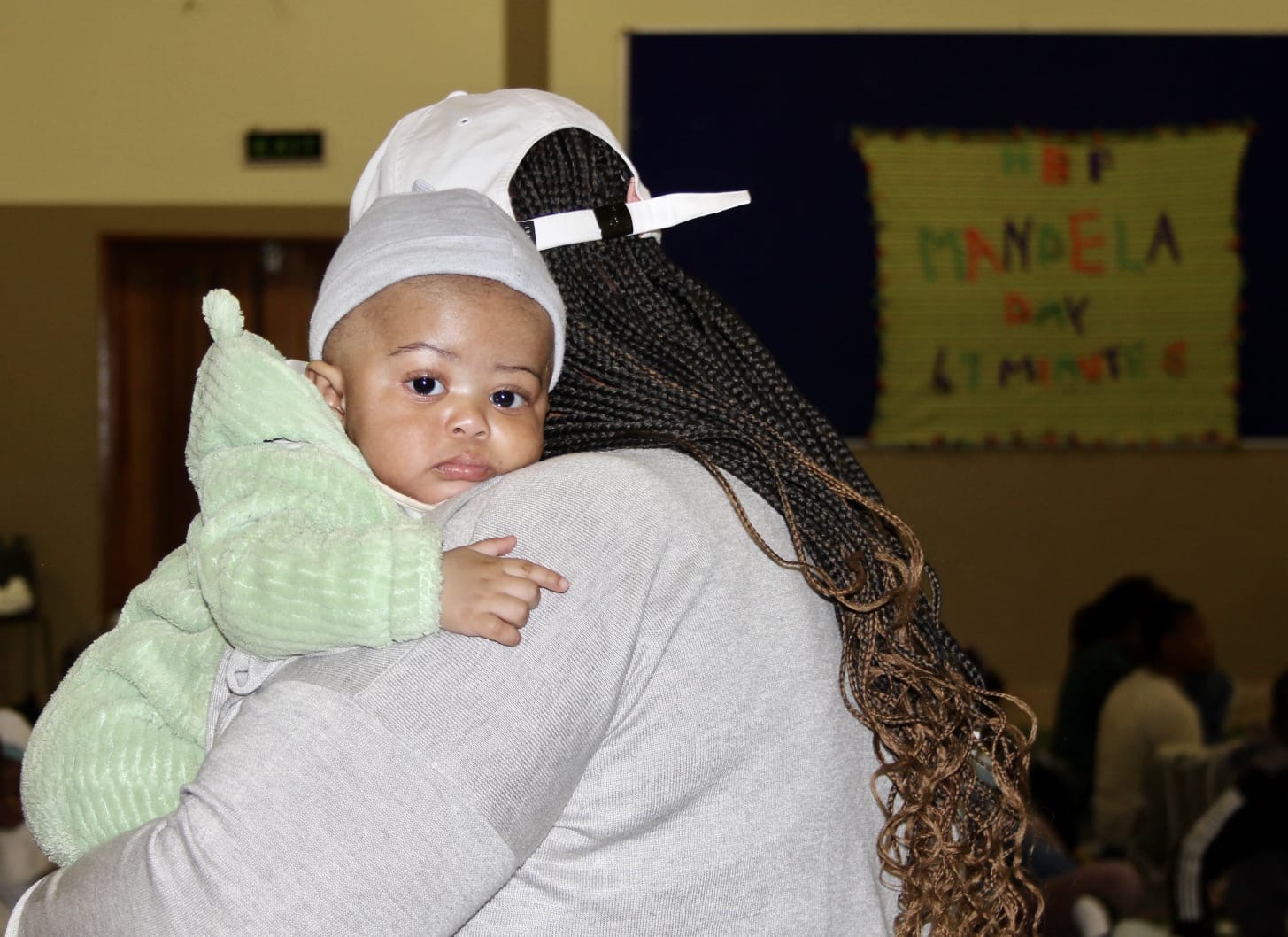
Hamba Bamba Funda Celebrates Nelson Mandela Day by Empowering Early Childhood Education in Soweto today


Hamba Bamba Funda (HBF), a non-profit organization dedicated to advocating for early childhood education in under-resourced communities like Soweto, commemorated Nelson Mandela Day with a special event at the Meadowlands Welfare Centre. Led by Monja Boonzaier, the founding Director of HBF, the event emphasized the importance of active parent-child participation and celebrated Mandela’s birthday and his lifelong fight for human rights.

Nelson Mandela’s unwavering belief in the transformative power of education serves as the guiding principle for HBF. Inspired by his words ” “Education is the most powerful weapon which you can change the world” the organization chose the theme of “active parent-child participation” for the event.

It is disheartening to recognize that in South Africa, early childhood education programs often begin at the age of 3, neglecting the critical first 2 years of a child’s life. However, these initial 1.5 years represent a crucial period for brain development, shaping a child’s future. HBF aims to highlight and address this critical gap.

Over the past year, Hamba Bamba Funda has made significant strides in advocating for early childhood education from birth. In 2022 HBF hosted a live broadcast in Kliptown, Soweto, involving 10 mothers and babies on Nelson Mandela Day. This year, they expanded their reach by hosting another live broadcast and engaging approximately 50 mothers and their babies in Meadowlands. Monja Boonzaier expressed delight, stating, “The progress we have witnessed in our work and the positive response within the communities in such a short time has exceeded all expectations.”

To ensure the event’s success, HBF had the privilege of hosting esteemed experts from international and local organizations virtually. Three international child space trainers, including Dr. Chava Shelhav, the founder of the Child’Space Method, as well as Orly Gat and Barbara Leverone, both Child ‘Space trainers, shared their knowledge and expertise. They were joined by local representatives from the Greater Sowetan Association of ECD (Evelyn Mbombi) and the Heartlines/Father’s Matter program (Fikele Poka). This collaboration highlighted the significance of the cause and the organization’s commitment to making a lasting impact.

The event commenced with a minute of silence, paying tribute to Nelson Mandela and providing participants with an opportunity to reflect on his remarkable legacy and the values he espoused throughout his life.

Monja Boonzaier encouraged everyone to observe the collective action taking place for the next 67 minutes. Educators generously shared their knowledge with community members, while mothers and caregivers actively engaged with their babies, nurturing their growth and unlocking their potential. This demonstration of unity embodied the spirit of Ubuntu, which Mandela exemplified.

HBF extends heartfelt gratitude to the City of Johannesburg for their support in organizing the event and to all the participating mothers and babies. Together, let us honour Nelson Mandela’s legacy by working towards a future where every child, regardless of their circumstances, has access to quality early childhood education.

Education’s Covid hangover far from over; mitigation of learning deficit critical said principal.

Johannesburg: The pandemic’s impact on education is far from over, said St Martin’s School principal Warren Venter. The deficit, he said, must be liquidated as soon as possible to protect an entire generation from dangerous regression.

In remedy, the school developed personalised ‘catch-up’ curricula for learner sets that were identified as somewhere on the spectrum of an education deficit. Venter said that St Martin’s School has developed compulsory intra and extra mural sessions across all grades to address gaps in education, including addressing learners’ ability to focus and function effectively within a scholastic environment.

“It’s a programme that I feel all schools must adopt to avoid a problem that could recur as each learner progresses to successive grades. It has to be nipped in the butt, because South Africa cannot afford to graduate students with unsuitably developed skills. The knock-on effect on future growth could be dire,” Venter warned.

He listed mathematics and literacy as the two primary deficits.

Recently, South Africans were shocked to learn that Grade 4 learners struggled to read with meaning. But Venter said that the problem stretches through to matriculants, too. He said a direct line can be drawn between much of the country’s reading with meaning challenges and the pandemic, too.

Venter noted three primary reasons for the lag. “While there was no alternative, online learning became the go-to for families. It played a crucial role, but anecdotal evidence suggested that students were struggling to focus. Online learning is usually paired with multi-tasking and attention and focus on subject matter being taught often lacked the intensity required.”

He also listed social media as a thorn in learning’s side. “It proved to be a massive distraction during the pandemic, and it continues to be an attention segue for students today,” he said. It then translated to the classroom, as lockdown restrictions waned, creating challenges in concentration, reading and digestion of learning materials.

It’s been just over a year since South Africa lifted all lockdown restrictions, and Venter said that understanding the enormous impact of the pandemic has only recently started to come to the fore.

St Martin’s School plans to continually assess learners on their catch-up journey. Venter said that while some of the picture has emerged, he expects it to still take some time to fully unfold.

“Intervention is the only way to assess, understand and remedy a situation. Notwithstanding other challenges, the deficit hangover could become one of the biggest crises in education in the history of the country. Addressing it through individualization and group remedy, is the only path ahead,” he said.

Preparing Youth for the Modern Workplace

New Bridging Workshops Equip Graduates with the Skills Needed to Thrive Professionally

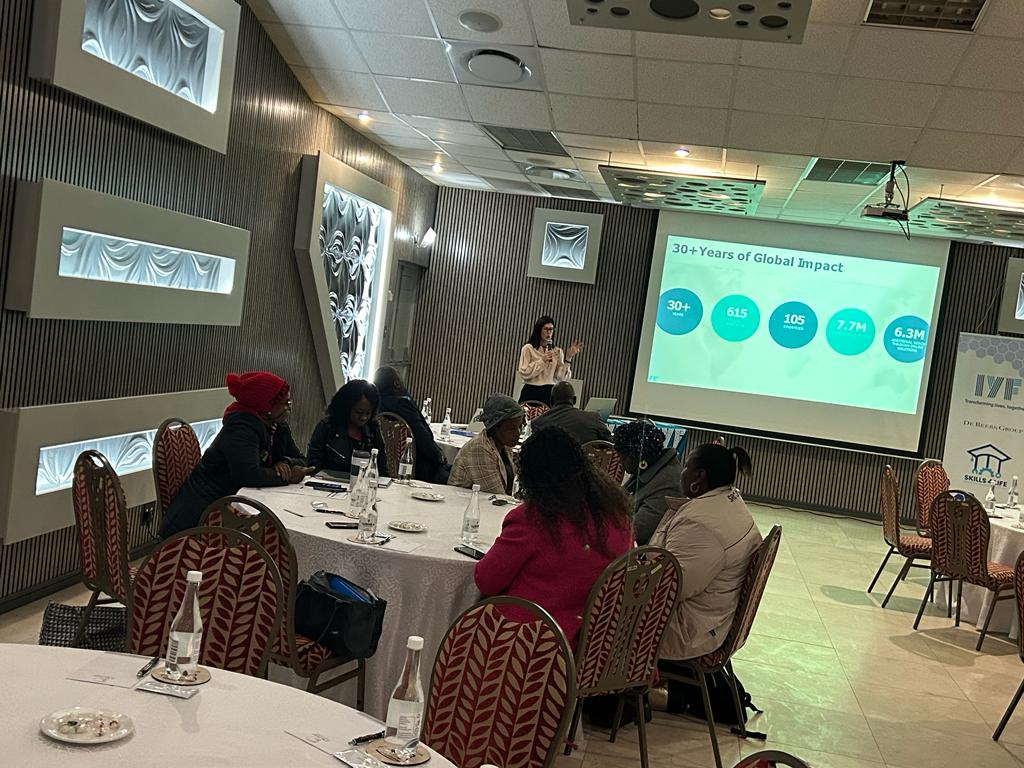
During the month of May, IYF led the first of a series of comprehensive Workplace Readiness Workshops that address behavioral skills in the workplace to capacitate TVET students with the necessary skills to earn a livelihood and grow as engaged citizens.  IYF South Africa’s three key programs all support the belief that success in life is secured by learning skills that will endure.

The High Gear programme is a transformative initiative aimed at empowering South African youth and revolutionizing the country’s technical education system in the automotive and engineering industry. High Gear draws on industry knowledge and skills imperatives—along with IYF curricula enhancement tools—to strengthen the market relevance of select public TVET college courses. Ultimately, High Gear aims to demonstrate a model for greater industry involvement in TVET course design and delivery that generates enthusiasm from TVET educators and industry, while also generating positive returns for young people and employers. The High Gear programme is funded by The UK Government’s Skills for Prosperity Programme, the United States Agency for International Development (USAID) and the Michael & Susan Dell Foundation (MSDF).

The Skills for Success programmme funded by Google.org, equips youth in Kenya, Nigeria and South Africa with digital skill sets that are in high demand.  This is achieved through enrolling students in the Google Career Certificates and upon completion they will receive an Industry qualification. This program is uniquely positioned to address the IT and digital literacy skills gap globally.

The Skills for Life programme is funded by De Beers Group with the objective of equipping the youth with the skills needed for improved academics, employability, and workforce success with particular focus on the TVET college system.  This objective is achieved through capacitating lecturers and empowering students through the integration of IYF’s flagship work-readiness and life-skills learning program, Passport to Success® (PTS) as well as the Effective Teaching pedagogy, with the current Life Skills and technical TVET curricula.

While students have responded well to the interventions of IYF’s existing programs, IYF, and its partners believe in connecting young people with opportunities to transform their lives. To this end, IYF implemented an agile response to the latest market trends which highlighted the need for youth to receive exposure to training that addresses behavioral skills in the workplace.  IYF introduced a series of workshops to prepare graduates for the working world, and achieve the ultimate objective of economic emancipation, by equipping them with vitally important behavioral skills. The inaugural workshop was implemented with the aim to support students from South West College in Gauteng by sharing valuable knowledge on personal development, employability and entrepreneurial development skills.  Going forward, monthly online workshops will be hosted, each focusing on different elements relating to employability and entrepreneurship. 

Before entering the world of employment or business, jobseekers can often find themselves overwhelmed by the need to differentiate themselves from potential competitors.  The Workplace Readiness Workshop series aims to address these concerns by providing comprehensive guidance on elements such as crafting a compelling CV, tailoring professional and personal experiences to the specifics of each application and mastering interviews with effective communication styles, and preparing for common interview questions.  As we enter the fourth industrial revolution, it is imperative to ensure that our youth can effectively leverage their digital platforms for personal branding, networking, and business growth.

Further to this comprehensive expansion of the basic steps toward employment, the workshops also deliver practical training on financial literacy, budgeting, investing, saving and debt management. By providing the essential skills of financial planning, students will be better equipped for unpredictable job markets, as well as create their personal financial freedom.

IYF’s goal is to equip students with essential behavioral skills that will empower TVET students to thrive in the modern workforce. Students will learn how to create effective resumes and profiles, ensuring that TVET college students showcase their skills, qualifications, and experiences compellingly to increase their chances on successful job searches. Through activities and exercises, students will learn to analyze problems, evaluate information, and make well-reasoned decisions. These skills empower students to become adaptable problem-solvers and valuable contributors in any professional setting.

These workshops are also designed to equip aspiring entrepreneurs with the knowledge, skills, and resources necessary to kick-start their own small businesses and navigate the challenges of entrepreneurship, supporting them in transforming ideas to successful ventures.  Students will gain fresh perspectives, practical tools, and inspiring insights to embark on a purposeful and fulfilling journey as they enter the world of work.

Today’s jobseekers find themselves in a competitive environment that values emotional maturity, streamlined communication, teamwork and effective problem-solving, no matter what the technical foundation of the job may be. Employers are not merely looking for skillset, they are looking for a well-rounded and informed individual who is able to grow business and efficiency through critical thinking and effective communication between peers and management. This series enhances IYF’s current programmatic deliverables to provide TVET students with an advantage.  The Workplace Readiness Workshops will provide integral, interconnected comprehensive behavioral skills that all work together to enhance employability amongst TVET college students. The inaugural workshop successfully incorporated facilitation and guidance in these key areas.  

IYF aims to cultivate a skilled and innovative workforce that will contribute to South Africa’s economic growth and prosperity. Through interactive workshops, students learn to communicate their unique value proposition, showcase their entrepreneurial ideas, and leave a lasting impression on decision-makers. 

IYF’s goal has always been to close the gap between industry and education through systemic capacitation and learner support. The Workplace Readiness Workshops are an added intervention to facilitate sustainable opportunities for students and graduates, opening doors of opportunity for a brighter and more enterprising future.

Leading the healthcare revolution ethically

By Dr Nivisha Parag (Head of Healthcare Management Studies at Regent Business School)

As healthcare becomes more complex and technology advances, it is crucial that leaders in the industry lead ethically to ensure the best possible outcomes for both patients and providers. This means approaching decisions with a focus on transparency, honesty, and fairness. It also involves considering the impact of decisions on all stakeholders involved, from patients to staff to shareholders. Leaders must uphold strong ethical values and hold themselves accountable for their actions and the actions of their teams.

Ethical leaders distinguish themselves from others through their unwavering dedication to upholding robust moral principles and fostering ethical behaviour in every facet of their leadership. The distinguishing behaviours that set these leaders apart encompass:

  1. Integrity: They act ethically, transparently, and truthfully, which earns them trust and credibility from their followers, and aligns their actions with their values.
  2. Accountability: Ethical leaders take responsibility for their actions and decisions; they do not shy away from admitting mistakes and strive to improve and learn from them.
  3. Fairness and Justice: They make decisions based on objective criteria and uphold principles of justice, thus creating an inclusive environment that respects diversity and ensures equal opportunities for all.
  4. Empathy and Compassion: Ethical leaders understand and empathise with the needs and concerns of their followers. They actively listen, show genuine care, and consider the well-being of individuals and the broader community. They foster a supportive and inclusive work culture.
  5. Ethical Decision-Making: They consider the impact of their choices on various stakeholders, including employees, customers, the community, and the environment; frequently weighing ethical implications, seeking multiple perspectives, and making choices that align with their values.
  6. Ethical Role Modelling: They consistently model ethical behaviour and encourage others to follow suit. Mentorship opportunities create platforms for other to see these traits in application in turn resulting in a desire to emulate them.
  7. Long-term Orientation: They consider the broader consequences of their actions and decisions, including their impact on future generations, the environment, and society as a whole.
  8. Ethical Organizational Culture: Ethical leaders create and nurture an ethical organisational culture by establishing clear ethical standards, providing ethical guidance, and encouraging open communication surrounding ethical issues. This promotes a culture of ethical conduct and empowers employees to make ethically sound decisions.

An integral component of postgraduate studies is the undertaking of research in a desired field or sector pursuing scientific advancement. As leaders are obliged to demonstrate ethical behaviours, so too is research ethics of paramount importance in the field of scientific inquiry and academic research. It provides a set of guidelines and principles that ensure the protection of participants, maintaining the integrity of research findings, and upholding the trustworthiness and credibility of the research process.

In May 2023, Prof Penelope Engel-Hills was invited to deliver a research ethics masterclass series to enrich and enlighten students and the wider Regent Business School community about the importance of research ethics and integrity. The webinar series spanned four weeks, during which she discussed numerous pertinent ethical principles, including the protection of human subjects to prioritise their well-being, rights, and dignity, through principles of informed consent, protection of personal information and rights to refuse participation. The discussions further included integrity and validity of research, professionalism, trust and collaboration, by exploring the research philosophies and codes of conduct and practice that inform ethics in academic research, including the legal and regulatory compliance around research.

The social and cultural sensitivity of research cannot be understated. Ethical research requires consideration of the social, cultural, and contextual factors that may impact participants and the broader community. Examples presented during the masterclasses highlighted the importance of these considerations. Respecting diversity, cultural norms, and local practices are essential to conduct research in a responsible and ethical manner helping prevent exploitation, marginalisation, and biases in research.

With the lightning speed of digital, industrial and societal revolution, ethical research contributes to the development of innovative solutions, advancements in various fields, and the overall betterment of society.

At Regent Business School, we are committed to sound ethical practices in research and overall leadership study, and by upholding ethical standards, our students and future researchers can contribute to the advancement of knowledge while respecting the rights and well-being of all involved.

In the healthcare management realm especially, ethical leaders must strive to make a positive difference in the lives of others while upholding ethical principles. They inspire trust, foster a sense of purpose, and create environments where individuals can thrive and contribute to the greater good. The purpose-built nature of the Regent Business School MBA in Healthcare Management strives to instil these very principles in our present and future leaders, so that we can we shape a future where ethical leadership and sound research ethics are at the forefront of practice, making a lasting impact on society.

By leading ethically in healthcare, leaders can build trust with their communities, improve patient satisfaction, and create a healthier and more productive work environment for providers. Ultimately, ethical leadership is essential to driving innovation while ensuring that patient care remains at the forefront of every decision made in the healthcare system.

For more information about Regent Business School’s MBA in Healthcare Management please go to https://regent.ac.za/programme/master-of-business-administration-in-healthcare-management

Become future ready by joining one of accredited MBAs, postgraduate qualifications, degrees, diplomas, or higher certificates! All 2023 students will receive a free Management Development Programme valued at R7000. T’s & C’s Apply.

St Martin’s School Sport Festival celebrated the unifying power of sport on Youth Day 

Johannesburg: St Martin’s School celebrated Youth Day 2023 and former educator Oliver Tambo’s legacy at the school with a sports festival that comprised twenty-four teams from schools across the city, across two days (15/16 June 2023)

The theme of the event was to illustrate the unifying power of sport, particularly amongst young South Africans.

St Martin’s Acting  School Principal Warren Venter said: “This festival is important in terms of teaching our kids how to be citizens of the country, learning things like conflict management, dealing with other people, important qualities. Sport has the potential to unify a nation and bring people together.”

Venter added: “You learn how to deal with other people. And being a human is dealing with other people. Sport is the breeding ground of learning about this and learning to be who you are as a person.” 

St Martin’s School also celebrated the legacy of one of its most prominent former educators, Oliver Tambo, who noted: “The children of any nation are its future. A country, a movement, a person that does not value its youth and children does not deserve it.” The school continues to take his lead and embrace Tambo’s legacy and wisdom.